Selling a Mobile Home
Should You Repair or Sell Your Mobile Home As-Is in San Diego?
Should You Repair or Sell Your Mobile Home As-Is in San Diego? Repair the manufactured home before selling when the expected increase in its sale price justifies the repair costs and time involved, including any needed approvals. A pre-listing inspection can identify essential work, such as fixing a visible leak. Compare contractor estimates with the […]
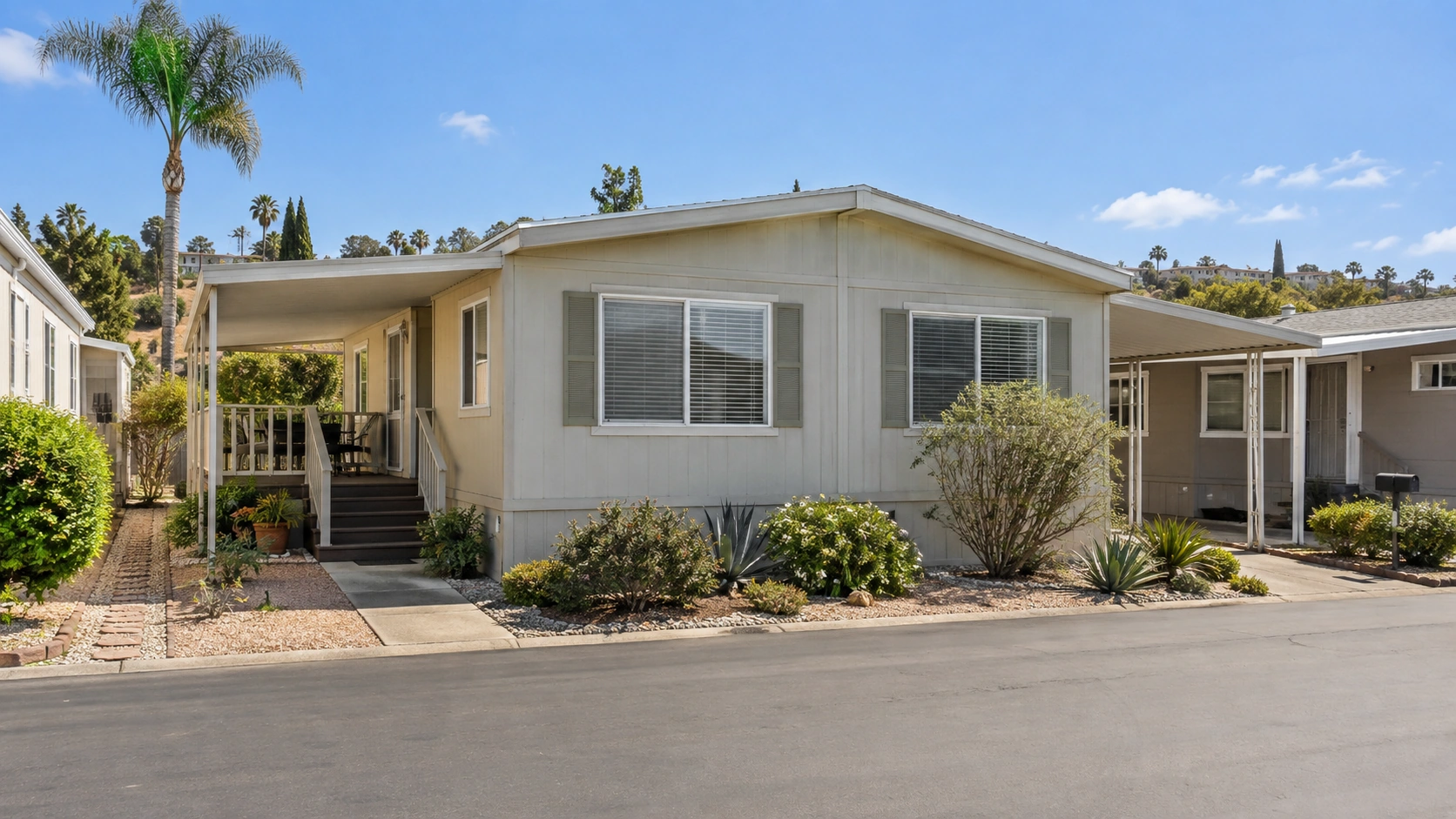
Repair the manufactured home before selling when the expected increase in its sale price justifies the repair costs and time involved, including any needed approvals. A pre-listing inspection can identify essential work, such as fixing a visible leak. Compare contractor estimates with the likely sale price after repairs before committing.
Small, visible fixes, such as fresh paint, may make the home more appealing without major work. But if repairs are costly, park rules delay the work, or you need to sell quickly, selling without completing those repairs may be more practical. Buyers may offer less for a home that needs work, but you avoid paying for the repairs and waiting for them to finish. Get estimates for both options to compare the likely proceeds and timeline.
Should You Repair or Sell Your Mobile Home As-Is?
In this guide, repairing before selling versus selling as-is refers to whether you complete improvements before putting your mobile home on the market. Making selected repairs does not prevent you from selling the home in its current condition afterward. An as-is sale generally means the seller is not agreeing to make additional repairs, subject to the purchase agreement and applicable requirements.
Even when a manufactured home is offered as-is, buyers may request repairs or a reduction in price after reviewing its condition or completing an inspection. Sellers can consider, negotiate, or decline those requests, subject to the purchase agreement. The buyer’s options will depend on the contract and any applicable contingencies. This is why pricing the home appropriately for its condition is important, regardless of whether you make repairs beforehand.
Decide which repairs, if any, are worth completing before listing by comparing their cost and timing with the likely benefit. If you need cash quickly, selling without completing additional repairs may avoid the delay of managing the work.
A pre-listing inspection can identify defects, helping you document known problems and set a realistic asking price. Cash buyers may consider homes that need work, but their offers depend on the home’s condition and market value.
Repairs don’t have to mean a full renovation. Fresh paint or basic landscaping may make the home more appealing without a major expense.
Before starting work, list the repairs you’d make, estimate their cost, and consider how long they’d take. Then compare that effort with the likely benefit and your timeline. Additionally, consider using our free estimator tool to help determine your home’s worth and make an informed decision.
How Do Repair Costs Compare With Sale Value?
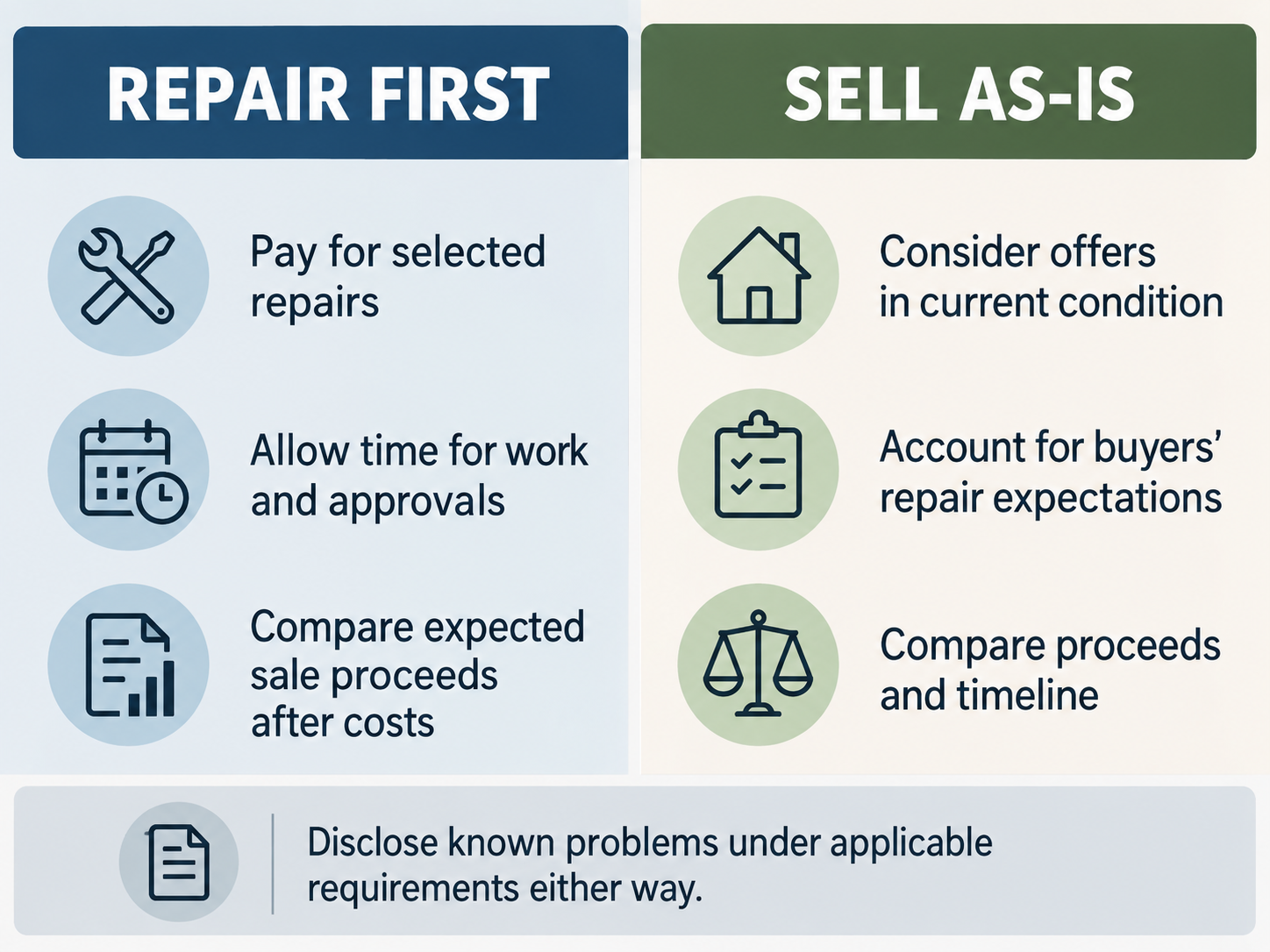
There is no fixed return on repairs: the effect on the sale price depends on the home, the work, and comparable sales. Minor cosmetic updates and routine maintenance may make the home more appealing, but they do not guarantee a higher price.
Before starting major work, compare recent sales of similar manufactured homes with your expected sale price after repairs. Then weigh that estimate against the full repair cost. For example, a roof or HVAC replacement may not pay off if the likely increase in sale price falls short of the project cost.
A pre-listing inspection can identify which repairs are most important and help you set a fair asking price.
You can also compare selling without completing additional repairs with repairing first, since some buyers prefer homes that need work.
Will Park Rules Change Your Repair or Sale Plan?
Check your park’s rules and any permit requirements before scheduling repairs. Management may require approval for certain work, and review delays can affect when you list your home.
Ask which repairs need approval and how long the process usually takes.
Then compare the cost and timing of approved repairs with selling the home in its current condition. For example, if approval would delay your sale or the rules prevent a repair you planned, listing without completing that work may be more practical.
Ask management to identify any sale-related repair requirements in writing and explain their basis under park rules and applicable law. Unresolved issues may affect buyer interest.
Which Mobile Home Repairs Attract San Diego Buyers?
Prioritize repairs that make a manufactured home look cared for and comfortable to live in. Start with visible problems: fix leaks, replace worn flooring, and repair or update damaged fixtures. These changes can help buyers focus on the home rather than a list of immediate repairs.
Next, improve the kitchen and bathroom, where worn faucets or outdated appliances can make a home feel less ready to move into. Replace items that are damaged or no longer work well; cosmetic upgrades matter less than clean, functional rooms.
Fresh exterior paint and neat landscaping improve the first impression at showings. Before buyers arrive, deep-clean the home and clear clutter so they can see the space and its condition.
Energy upgrades may also appeal to buyers who want lower utility bills. Consider efficient windows, added insulation, or updated HVAC equipment. Keep records of the work so buyers can understand what was changed.
When Does Selling a Mobile Home As-Is Make Sense?
Selling your mobile home without completing additional repairs may make sense when the likely increase in sale price would not cover the repair costs or justify the time involved. You avoid paying for renovations, but buyers will consider the home’s condition when deciding what to offer.
In San Diego, cash buyers and investors may be interested in manufactured homes that need work, though serious repair needs can narrow your pool of potential buyers.
Before listing, compare repair estimates with the home’s after-repair value. Then compare any as-is offers with its current market value. Disclose known problems in writing and complete any applicable disclosure forms; an as-is sale does not eliminate disclosure obligations.
Remember that selling as-is does not prevent a buyer from requesting a lower price or asking for repairs. A buyer may discover additional issues during an inspection or decide that the cost of needed work is greater than expected. Whether the seller agrees to a price adjustment or repair request is a matter of negotiation, subject to the purchase agreement and applicable requirements.
An as-is sale can also spare you the time and stress of managing a major project. It may be practical for an inherited home or one that needs significant updates, especially if you want to avoid coordinating repairs before closing.
How Do You Set a Competitive San Diego Price?
Compare recent sales and active listings for similar homes in your mobile home park to set a competitive asking price. Recent sales show what buyers have paid; active listings show the prices your home will compete with.
Compare manufactured homes with similar condition and features, rather than relying on listings alone.
Assess your home’s age, needed repairs, and overall appeal, especially if you plan to sell it without completing additional work.
Check the park’s requirements and fees, too. These may shape buyers’ interest and the price they’re willing to offer.
Set a price that can attract attention when the home first goes on the market. If buyers don’t respond, use their feedback and updated comparisons to decide whether to adjust the price.
Selling time varies with the home, the park, the asking price, buyer financing, and any required park approval; do not assume a fixed timeline.
Should You Choose a Cash Sale or a Listing?
A cash sale may be faster, while listing your mobile home may reach more buyers. Choose based on whether a simpler sale or the chance to receive a higher net offer matters most.
Both cash buyers and buyers who find your home through a traditional listing may purchase it in its current condition. Some cash buyers may be willing to take on more repair work, but their offers generally account for the home’s condition and expected expenses. Buyers using either approach may request repairs or negotiate the price. Compare the actual offers, terms, and likely net proceeds rather than assuming one approach eliminates repair negotiations.
Closing time still depends on title paperwork, any liens, park approval, and the parties’ readiness. A cash offer may be lower than what a listing could bring, depending on the home and market conditions.
Compare the offer with what you could reasonably expect from a listing, after accounting for likely repair costs and the time needed to sell.
Listing puts your manufactured home in front of more buyers, which may lead to competing offers in a strong market. Minor repairs can improve the home’s appearance and give buyers more confidence, but they add costs and time.
Before listing, decide which repairs are worth making and compare those costs with the possible benefit of a higher sale price.
What Paperwork Do You Need to Close the Sale?
Gather the documents needed to transfer ownership, disclose known problems, and address any tax or registration requirements.
Before signing, check each document with the buyer so you can correct missing or inaccurate information.
Prepare the certificate of title, current registration card, and applicable California HCD transfer forms. A bill of sale can document the transaction and may be needed in certain cases, but it is not required for every transfer.
Complete the applicable forms accurately and keep copies for your records.
Complete applicable mobilehome transfer disclosures and identify known defects in writing. Check whether the manufactured home requires a tax clearance certificate or other tax or registration documents based on its tax status.
If the home will remain in a mobile home park, notify management before closing and ask about the buyer’s residency application and rental agreement. Park approval can affect the sale timeline.
Conclusion
Selling without completing additional repairs may make sense when the likely increase in sale price would not justify the costs involved. Making selected improvements before listing does not prevent you from selling the home as-is afterward. Before deciding, compare repair estimates with recent sales and check whether your mobile-home park has rules that affect a sale or buyer approval.
Gather your title and other required paperwork so you can confirm what you need to transfer ownership. Then compare your selling options: a cash buyer may be willing to purchase the manufactured home in its current condition, while a listing may reach more buyers. Either approach can involve repair requests or price negotiations.
Choose based on your budget, timeline, and willingness to handle repairs or buyer requests. Avoid paying for upgrades unless you have a clear reason to expect them to raise the sale price enough to cover their cost.